
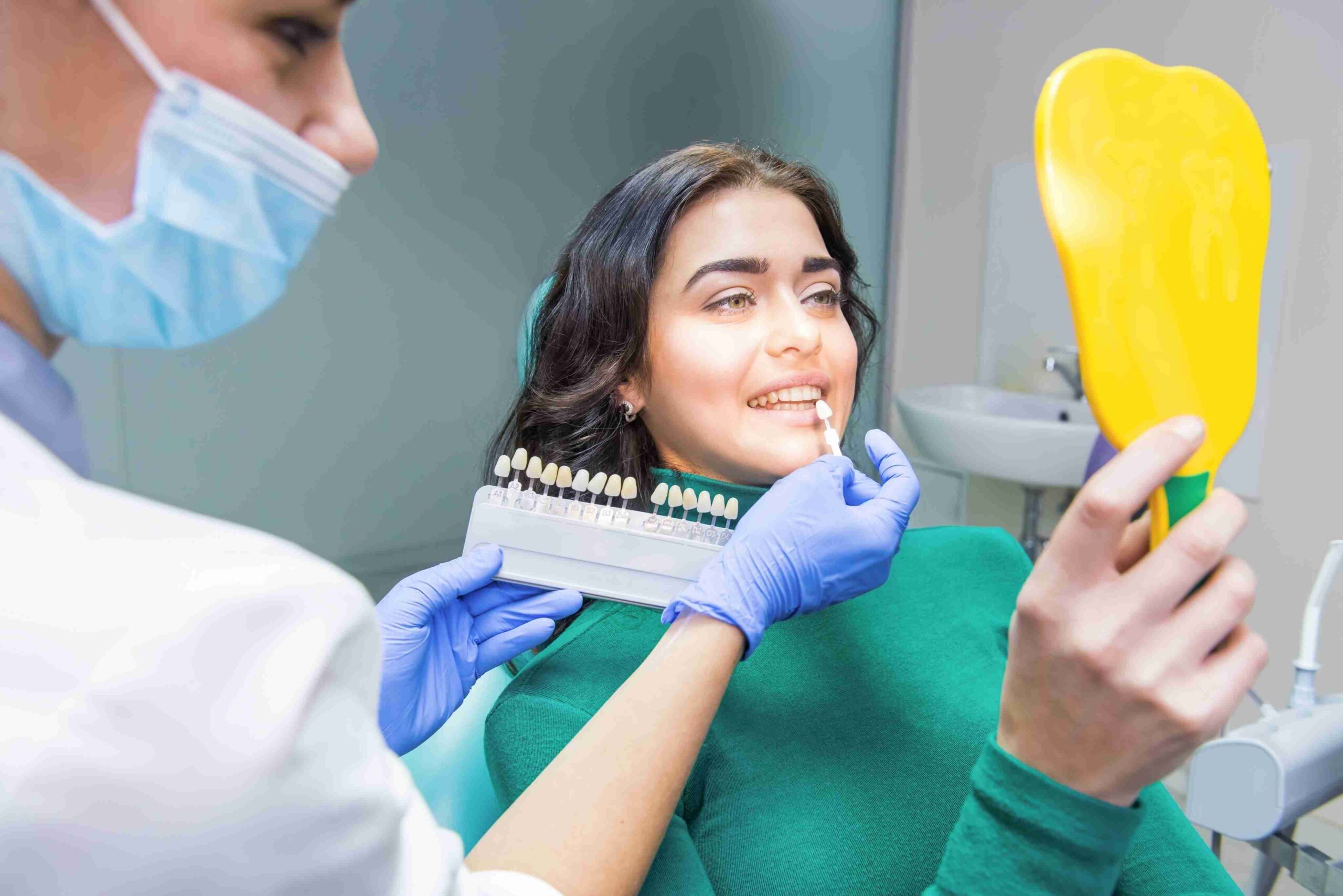
Dental implants may help selected patients replace one or more missing teeth by placing implant posts in the jaw to support crowns, bridges, or dentures. Patients in Burke, VA, Annandale, VA, and Springfield, VA should have gum health, bone support, bite pressure, medical history, healing ability, and restoration goals reviewed before care is planned. Implant treatment is not right for every patient, so a dental evaluation is needed before deciding if it is suitable.
A missing tooth can change more than the way a smile looks. A patient in Burke, VA may notice food getting trapped near the space, chewing feeling uneven, or nearby teeth starting to shift. Someone else may feel self-conscious speaking or smiling because the gap is easy to see.
For some patients, dental implants may be discussed as a tooth replacement option after a full dental evaluation. Implants are designed to support a replacement tooth, but they require healthy planning around the gums, jawbone, bite, and general health. The dentist should also review why the tooth was lost, how long the space has been present, and what type of restoration may fit the patient’s needs. A missing tooth plan should protect function, appearance, and long-term oral health.
How Implant Tooth Replacement Works
An implant is a small post placed in the jawbone to act as support for a replacement tooth. After healing, the implant can be restored with a crown, bridge, or denture attachment depending on the number of teeth being replaced.
Dental implants may be considered when a patient has enough bone support, healthy gums, and a stable medical history for healing. The dentist must also check the bite because replacement teeth still need to handle chewing forces safely.
Implant care is not only about filling a space. It involves planning the surgical placement, healing stage, and final restoration, so the tooth replacement functions well.
Why the Evaluation Comes First
A dental exam helps show whether implant care is possible and what steps may be needed before treatment. The dentist may review X-rays or 3D imaging, gum condition, bone levels, bite pressure, and medical history.
Before Dental Implant Treatment is recommended, active gum disease, untreated decay, infection, or unstable teeth may need attention. A healthier mouth can support better planning and healing.
Patients should share health conditions, medications, tobacco use, and past dental surgeries. These details may affect healing, timing, and whether an implant is suitable.
Replacing One Missing Tooth
A single missing tooth can be replaced in different ways. Options may include an implant-supported crown, a bridge, or in some cases a removable appliance.
A patient from Annandale, VA may prefer an implant because nearby teeth usually do not need to be reshaped the same way they might for a traditional bridge. That can be useful when the neighboring teeth are healthy.
The dentist should still explain all suitable options. Tooth position, bone support, bite pressure, budget concerns if discussed by the patient, and oral health can all affect the recommendation.
Bone Support Matters
Implants need enough healthy bones to help support them. When a tooth has been missing for a long time, bone in that area may shrink because it no longer receives normal tooth-root stimulation.
A dentist may discuss Tooth Implants only after reviewing the amount and quality of bone in the area. If bone support is limited, grafting or a different replacement option may be discussed.
Not every patient with bone loss is automatically excluded from implant care. The next step depends on the evaluation and whether the area can safely support treatment.
Gum Health and Implant Success
Healthy gums are important before and after implant care. Gum inflammation or periodontal disease can affect the tissues and bone that support teeth and implants.
Patients in Springfield, VA who have bleeding gums, loose teeth, or a history of gum treatment should mention it during the exam. These signs help the dentist understand the condition of the supporting tissues.
Gum’s health may need to be stabilized before moving forward. Dental cleaning, periodontal care, and improved home care may be part of preparing implant treatment.
Bite Pressure Can Affect Planning
The way teeth meet while chewing can influence implant care. Heavy bite pressure, grinding, clenching, or missing teeth on one side can place extra force on replacement teeth.
A person considering dental implants should have the bite checked as part of treatment planning. If force is too heavy in one area, the restoration may need special design considerations.
The dentist may also look for worn teeth, chipped enamel, jaw soreness, or cracked restorations. These signs can point to habits that may affect the final result.
When Several Teeth Are Missing
Several missing teeth may be replaced with individual implants, an implant-supported bridge, or an implant-supported denture depending on the case. The right option depends on bone support, tooth location, bite, and patient goals.
With Dental Implant Services, the dentist may review how many teeth are missing and whether the remaining teeth are healthy enough to support a broader plan. Some patients need staged care rather than one simple appointment.
A full plan helps avoid treating one space while ignoring problems nearby. Replacing teeth should support the whole bite, not just one area of the smile.
How Implants Compare with Bridges
A bridge replaces a missing tooth by using nearby teeth for support. An implant-supported crown uses an implant post in the jaw instead of relying on neighboring teeth.
For some patients, an implant may help preserve the structure of healthy adjacent teeth. For others, a bridge may be more suitable because of bone, health, or timing factors.
Neither option is automatically best for every patient. The dentist should explain the benefits, limits, and maintenance needs of each choice.
The Treatment Timeline
Implant treatment often happens in stages. The first step is evaluation and planning. If the implant is placed, healing time is usually needed before the final restoration is attached.
During Dental Implant Treatment, some patients may need extra steps such as tooth removal, bone grafting, temporary restoration planning, or gum treatment. Timing varies based on the mouth and healing response.
Patients should understand that implant care is not usually instant. A staged plan can help the dentist confirm healing before moving to the final tooth replacement.
The Final Restoration
After healing, the final restoration is made to attach to the implant. This may be a crown for one tooth, a bridge for multiple teeth, or a denture attachment for broader replacement.
The second use of Tooth Implants fits this stage because the visible tooth is only one part of the system. The implant, connector, and restoration need to work together.
The dentist checks the bite and fits before the restoration is completed. If the bite feels high or uneven, it should be adjusted.
Cleaning Around Implants
Implants cannot get cavities, but the surrounding gums and bones still need daily care. Plaque can irritate implant-supporting tissues and may contribute to inflammation.
Patients should brush, floss, or use recommended cleaning aids, and keep regular dental visits. Special tools may be suggested depending on the restoration design.
Cleaning around an implant bridge or denture attachment may require extra steps. The dental team should show patients how to clean the area properly.
What Implant Care May Help With
For suitable patients, implant care may support chewing, appearance, and tooth replacement stability.
It may help:
- Replace one missing tooth
- Support a bridge for several missing teeth
- Add stability to selected dentures
- Help maintain spacing after tooth loss
- Improve chewing support
- Reduce pressure on neighboring teeth in some cases
- Support a natural-looking restoration
- Improve daily comfort with a fixed option in selected cases
- Guide a long-term tooth replacement plan
- Results depend on bone support, gum health, medical history, bite pressure, healing, and home care.
What to Expect Before During and After Care
Before care begins, the dentist reviews missing tooth areas, gum health, bone support, bite pressure, medical history, and restoration goals. X-rays or 3D imaging may be recommended to plan the implant position.
During treatment, patients may move through placement, healing, and restoration stages. A second mention of Dental Implant Services belongs here because care often includes planning, surgical coordination, final restoration, and follow-up.
After care, patients from Springfield, VA should continue regular dental visits to monitor the implant, bite, gums, and restoration. Any looseness, swelling, pain, bleeding, or bite change should be checked.
Local Patient Review
“I thought replacing one missing tooth would be simple, but the visit helped me understand why my bone, gums, and bite needed to be checked first.”
A Missing Tooth Plan Should Fit the Whole Mouth
Replacing a missing tooth should involve more than filling the space. The gums, bone, bite, neighboring teeth, and daily cleaning habits all matter when deciding whether implant care is suitable. For patients near Annandale, VA who want to understand their options after tooth loss, DentaCrafters of Burke can review the area and explain which replacement path may fit after evaluation.
Frequently Asked Questions
Who may be a candidate for implant care?
A suitable patient often needs healthy gums, enough bone support, stable health, and a careful dental evaluation before planning.
Can implants replace several teeth?
Yes, in selected cases. Implants may support crowns, bridges, or dentures depending on the number and location of missing teeth.
Do implants need daily cleaning?
Yes. The implant cannot decay, but the gums and bone around it still need brushing, cleaning aids, and dental visits.
Is implant care right after tooth removal?
Sometimes, but not always. Timing depends on infection, bone support, gum health, and the treatment plan.
Can gum disease affect implant planning?
Yes. Gum disease can affect the tissues that support teeth and implants, so it may need treatment first.
What if I have been missing a tooth for years?
You may still have options, but bone levels should be checked. Some patients may need extra planning before replacement.
Will the replacement tooth feel natural?
Many patients adapt well, but comfort depends on fit, bite, healing, and the type of restoration used.
Can implants fail?
They can in some cases. Risk may increase with poor oral hygiene, smoking, gum disease, heavy bite force, or certain health factors.